


The cost of a pre-gaped continuous-roll bagging machine consists of three components: the one-time equipment investment, ongoing consumables such as film rolls and ink ribbons, and labor costs for changeovers. Depending on the specific application, differences in bag structure and coding methods can significantly affect the unit packaging cost. The best way to assess this is by considering the actual measured empty-bag rate and changeover frequency for the material being processed, rather than relying solely on the equipment quote.
Small Hardware Parts: Pre-cut openings at the bag mouth reduce the rate of empty bags; the sealing method determines the film structure.
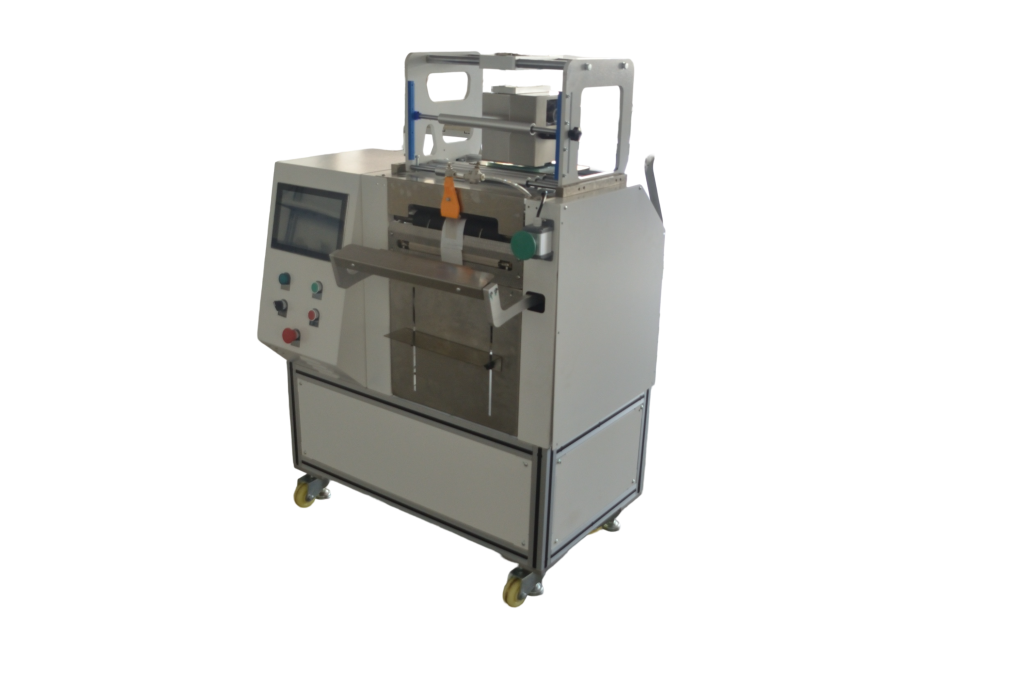
Materials such as screws, washers, and O-rings have irregular shapes and are prone to getting stuck at the bag opening when being filled. The pre-cut opening design separates the bag opening in advance during the bag-making process, allowing for bag retrieval and opening in a single step, which directly reduces the number of empty bags and the need for rework. When selecting a machine, consider three factors: the single-bag weight range, the number of specification changes per shift, and the tolerances for bag width and length.
The sealing mechanism affects the cost of roll film. Servo-sealing machines capable of tear-off separation are compatible with various film structures, such as laminated film and aluminum-coated film. If moisture protection is required, the unit cost of aluminum-coated laminated film is higher than that of standard laminated film; this price difference should be factored into long-term consumables.
Product changeovers, which can be completed by a single person and take as little as ten or so minutes, are a key efficiency factor in scenarios involving multiple product varieties and small batch sizes. The procurement team can ask suppliers to time on-site changeovers for your three specifications, recording the number of minutes from the time the machine stops running until the first合格bag is produced.
Pharmaceuticals and Electronic Components: TTO On-Demand Printing Transforms the Cost Structure of Labeling
In scenarios where batch numbers, expiration dates, and serial numbers change frequently, the inventory of pre-printed labels itself represents a cost. TTO (Thermal Transfer Overprint) allows for on-demand printing and instant updates to the label content directly on the bag, eliminating the need for pre-printed inventory and resulting in zero label waste. When calculating costs, factor in the minimum order quantities, scrap rates, and warehouse space occupied by the original pre-printed labels when making comparisons.
This integrated solution combines bagging, sealing, and coding into a single machine, reducing intermediate steps and the need for secondary handling. The JYZN-350SZ all-in-one printer from JY AutoBag is an example of this type of system. Coding quality is evaluated based on the clarity of character edges and the durability of the print; friction and adhesion tests are conducted using the actual film material.
Ribbons are consumables that are used continuously, so estimating based on print area rather than the number of bags provides a more accurate picture. We recommend using a week’s worth of actual print data to estimate consumption: the number of character lines, print area, and the number of prints per day, then extrapolate that to monthly usage.
Comparison of Solutions for Three Scenarios
| Scene | Main Challenges | Recommended Bag Types and Film Structures | Coding Methods | Cost Considerations |
|---|---|---|---|---|
| Small Hardware Items | Pocket Clamps, Available in Various Sizes | Pre-cut continuous-roll bags, laminated film, or aluminum-coated film | External or integrated TTO | Empty Bag Rate, Changeover Time |
| Pharmaceuticals and Electronic Components | Frequent changes to lot numbers, traceability requirements | Pre-cut, Continuous-Roll Bags Made of Laminated Film | TTO On-Demand Printing | Label Inventory and Ribbon Usage |
| Snack Foods | Cycle Time and Seal Appearance | Laminated Film: Select a Machine Model Based on Bag Width | TTO Print Date | Seal Stability, Film Width Loss |
General Principles for Product Selection: Calculate the unit cost first, then discuss the quote
Break down the quote into per-bag costs: Allocate equipment depreciation based on planned production volume; calculate film rolls based on the number of bags that can be produced per meter; calculate ribbon costs based on print area; and calculate labor costs based on changeover and monitoring hours. Add these four items to determine the per-bag cost range, then compare it with the current labor costs for manual bagging.
Select the appropriate model based on bag width and production capacity. For small batches of multiple varieties, consider a desktop model, such as the JYZN-220MY; for high production capacity requirements, consider the JYZN-P350S high-speed model. Specifications are subject to the supplier’s written data; verbal commitments are not accepted.
The compatibility of pre-gaped continuous-roll bagging machines must be verified on-site: Load your actual film roll onto the machine and check for film misalignment, whether the seal breaks or separates, and whether the bag opening opens steadily. For reference, see Pre-opening Continuous-Roll Bag Packaging Machine Check the model range on the series page.
Implementation Considerations and Acceptance Procedures
- Sample quantity: At least several hundred bags per size; calculate the empty bag rate and the poor-seal rate.
- Production Changeover Timer: Continuously switches between three specifications, records the number of minutes required for adjustment, and determines whether the first bag meets specifications.
- Consumables Calculation: Request the length in meters per roll of film and the printable area of the ribbon, then calculate the quantities yourself.
- Printing Inspection: Conduct character adhesion tests using the actual film material and retain sample bags.
Refer to the following guide when selecting a coding device Thermal Transfer Coding Machine Verify that the print width and speed match.
Frequently Asked Questions
See the FAQ below. Do you need to verify compatibility based on your bag type and material?Contact UsGet product selection recommendations and sample bag options.