


When selecting a bagging machine, you must first determine five key factors: bag type and film structure; cycle time based on batch size; whether coding is integrated; who will perform changeovers; and how acceptance testing will be conducted. If any one of these five factors remains undetermined, the specifications will not match the production line. Check off each item in the table provided in this article before proceeding to the trial run.
Bag Types and Membrane Structures: Decide on the Bag Type First, Then Consider Other Factors
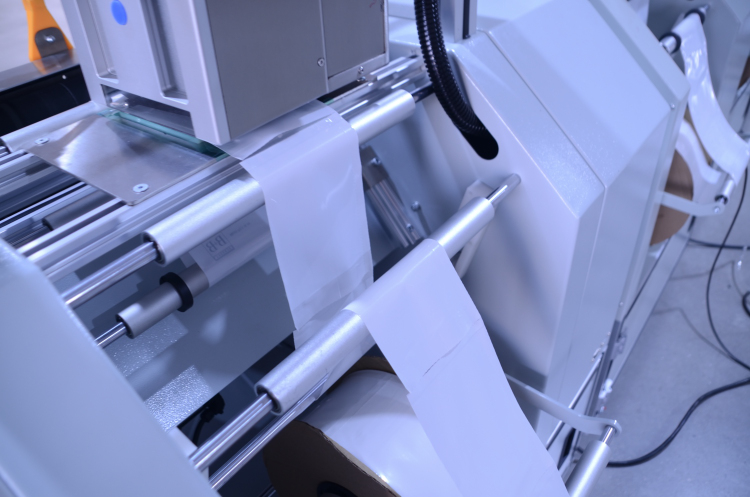
Whether a bagging machine can pick up bags consistently depends on the shape of the pre-opened bag opening and the film structure, not on the machine’s rated speed. Divide the bill of materials into three categories based on size, weight, and shape, with each category corresponding to a specific bag size. Sealing parameters for materials such as laminated film and aluminum-coated film must be verified on the same machine; servo sealing should ensure clean tear-off.
Procedure: Take 50 bags each of 3 representative materials and record the bag width, bag length, and opening position. Have the supplier conduct a test run using the corresponding film rolls and observe whether the bags are dispensed correctly on the first attempt. Evaluation Criteria: The number of times the machine requires manual intervention during a continuous run of 100 bags should typically be kept in the single digits; if this number is exceeded, adjust the bag type or film structure first—do not adjust the machine settings. This is the step most often overlooked in the selection process for AutoBag bagging machines.
Takt time is calculated based on batches, not peaks.
The true cost of a small-batch, flexible production line lies in changeovers, not in peak speed. Break down daily orders into batches: for batches with large quantities and few specification changes, focus on continuous cycle times; for batches of a few hundred units with five or more changeovers per day, prioritize changeover time and formula management.
| Decision Items | Criteria for Determination | Verification Action | Common Misjudgments |
|---|---|---|---|
| Bag-Type and Membrane Structures | Retrieve the bag in one smooth motion; empty bags can be handled manually. | Test 50 bags of each of the 3 materials | Don't just look at the bag width—test the film structure |
| Tact and Batch | Calculated based on the quantity per batch and the number of daily production changes | Record the number of times the machine stops during a continuous 30-minute run | Estimating Production Capacity Using Peak Speed |
| Code Integration | Label content can be changed instantly | Edit the content of 3 sets of labels on-site | Buy the machine first, then add the coding module |
| Formulation for Product Changeover | Can be done by one person; preparation time starts at about ten minutes | Change the bag size and time it | Operated by the manufacturer's engineers |
| Acceptance Criteria | Empty bag rate, seal strength, and legibility of label content | Record each item according to the sampling form | The acceptance test only checks whether the device can be turned on. |
Speed specifications are for reference only; suppliers are required to provide both “changeover time” and “stable operating cycle time,” rather than just the maximum speed. Compatibility must be verified based on bag specifications; please refer to the following for comparison:Pre-opening Continuous-Roll Bag Packaging MachineDescription of compatible bag types.
Integrated coding or retrofit?
For production lines where label content changes frequently, TTO on-demand printing eliminates the need for pre-printed label inventory and results in zero label waste. The cost of separate procurement is two control systems—one for bagging and one for coding—as well as two alignment processes and two suppliers. An integrated solution combines bagging, sealing, and coding into a single machine, reducing intermediate steps. Verification points: Is the printing control system integrated with the bagging system? Can label templates be saved in the recipe? An effective validation test involves changing the content of three sets of labels on-site and timing the process. For relevant machine models, seeThermal Transfer Coding MachineCategories.
Who is responsible for the production changeover, and how is the trial run accepted?
The value of parametric recipe management becomes evident during product changeovers. Suppliers are required to demonstrate that a single person can complete the changeover—adjusting bag length, sealing temperature, and coding content—while timing the entire process. For most machine models, the adjustment time starts at around ten minutes, depending on differences in bag specifications and whether a film roll needs to be changed. Evaluation criteria: The changeover process should not require the disassembly or reassembly of mechanical components; all parameter adjustments should be completed via the recipe interface. If a manufacturer’s engineer must be called in for every changeover, this should be factored into the long-term costs during the quotation phase.
The machine trial consists of three steps. Run the machine for 30 minutes using the company’s own materials and film rolls, recording the number of stoppages and their causes; change the bag size once and time the process to confirm that one person can operate the machine; conduct spot checks on seal strength and code readability, typically sampling 5 to 10 bags per batch. The acceptance checklist should include recordable items such as the empty bag rate, seal tear resistance, and label content accuracy, and must be signed by both parties. Models that feature tabletop feeding and a compact footprint are suitable for workshops with limited space; during the trial run, verify both the loading height and operating space.
Quotation Criteria and Common Additional Items
The quotation should be broken down into six categories: the main unit, coding module, recipe software, installation and commissioning, spare parts, and consumables. Common additional items include custom bag-shape molds, additional recipe licenses, the number of on-site commissioning visits, and minimum order quantities for ribbons and film rolls. Including these items in a contract appendix provides a more accurate reflection of total costs than simply comparing the unit price of the machine. The final step in selecting an AutoBag bagging machine is to include acceptance criteria in the contract, rather than relying solely on verbal commitments. Compatibility verification must be performed based on bag type and material; this can be done byContact UsGet product selection recommendations and sample bag options.